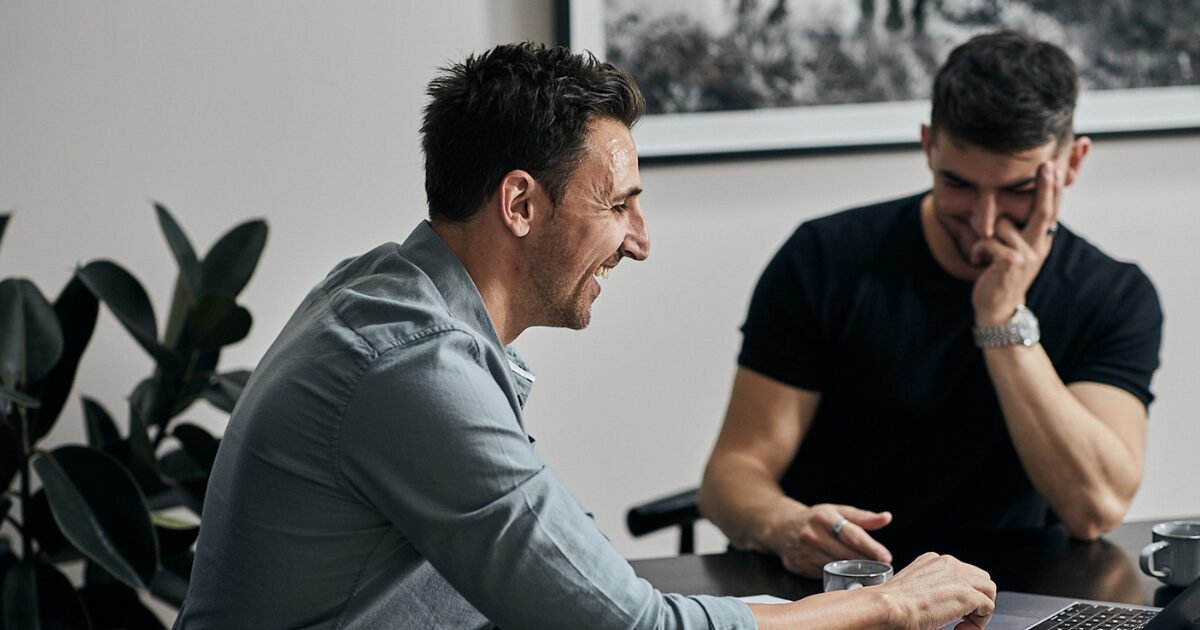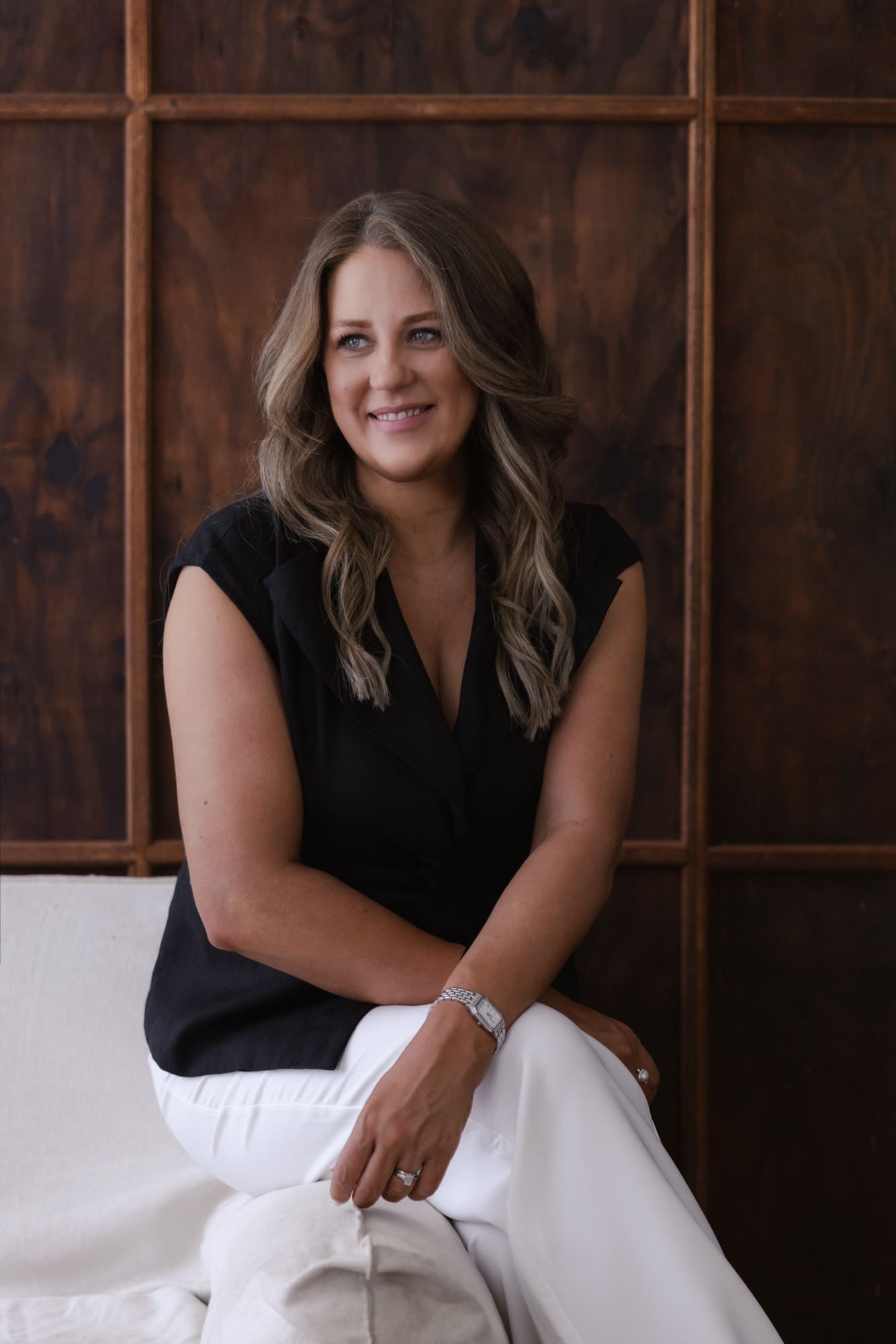
Between us, we’ve spent decades in sales.
Kate started her career selling cars in Toowoomba, Queensland before moving into new homes, account management and eventually running her own service-based business. Adrian built his career selling high-ticket products before making the shift into selling services through his own business.
Different industries. Different customers. Different products. Different challenges.
But underneath them all was the same job. Understanding people. Building trust. Helping someone make a decision that genuinely moves them forward.
Looking back, some of the biggest lessons we’ve learnt had very little to do with sales techniques. They came from navigating rejection, building confidence, understanding people and eventually realising that selling isn’t about convincing anyone.
It’s about helping.
That shift changed everything. It took the pressure off, made conversations feel more genuine and transformed the way we approached sales, whether we were selling a product or a service.
The Hardest Part Of Sales Isn’t Selling
People often assume selling is about knowing the right script or having the perfect pitch. In our experience, that’s rarely what’s holding people back. It’s everything happening between our ears.
Whether we’re working with business owners or sales teams, we see the same patterns over and over again.
“I don’t know how to sell myself.”
“I don’t want to sound pushy.”
“What if they say no?”
For many people, especially those running service-based businesses, selling feels personal. You’re not just talking about a product. You’re talking about something you’ve created and about the service you provide. Something you’ve poured your time, energy and heart into.
So when someone says no, it can feel like they’re rejecting you.
That’s why so many people avoid following up, hesitate to talk about pricing or never actually ask for the sale. Not because they aren’t capable but because they’re trying to protect themselves.
The Shift That Changes Everything
One of the biggest lessons we’ve both learnt is that selling becomes easier when you stop making it about yourself. It sounds simple, but it’s incredibly powerful. Instead of wondering whether someone likes you or whether you’re saying the right thing, your focus shifts to the person in front of you.
What are they struggling with?
What are they trying to achieve?
Where are they feeling stuck?
How can you genuinely help?
The moment your attention moves away from proving yourself and towards understanding someone else, the conversation changes. Sales starts to feel less like convincing and more like serving.
Rejection Isn’t The Problem
We can both remember moments where selling felt uncomfortable.
For Kate, it was staring at the phone knowing she needed to make follow-up calls. Some days it felt like the phone was a rattlesnake she wanted nothing to do with.
Years later, Adrian experienced a different version of the same challenge when he moved from selling products to selling his own services. Despite decades of experience, it felt far more personal.
The common thread wasn’t the phone or the offer. It was the story we were telling ourselves.
The fear of rejection.
The fear of hearing no.
The fear of getting it wrong.
Looking back, neither of us would approach those conversations the same way today.
A no isn’t always rejection. More often, it’s information. It’s an opportunity to ask another question. To understand what’s missing. To uncover what’s really stopping someone from making a decision.
The best sales conversations don’t end with the first objection. They begin there.
Confidence Comes From Having A Process
Mindset matters. So does having a process you trust.
When every conversation is completely different, selling becomes exhausting. You spend your energy wondering what to say next instead of actually listening.
Having a repeatable process doesn’t mean sounding scripted or robotic. It simply creates structure. It allows you to guide people through a conversation that helps both of you decide whether you’re the right fit.
As your confidence grows, that process becomes more natural and flexible. But having those foundations in place removes a huge amount of pressure.
Great Salespeople Ask Better Questions
One of Adrian’s favourite lessons from early in his career was to imagine every client as a blank canvas. Every question adds another brushstroke. You learn about their family. Their goals. Their frustrations. Their priorities. Slowly, the picture becomes clearer. Only then can you recommend the solution that’s genuinely right for them.
That’s why the best salespeople aren’t the ones doing all the talking.
They’re the ones doing the most listening.
Six Shifts That Make Selling Feel Easier
If selling has ever felt uncomfortable, these are the mindset shifts that have made the biggest difference for us.
1. Stop making it about you.
People aren’t thinking about you as much as you think they are. They’re thinking about their own challenges and whether you can help solve them.
2. See a no as the beginning, not the end.
A no often means there’s another question to ask or another concern to understand. Stay curious.
3. Focus on solving problems.
People don’t buy products or services. They buy outcomes. Lead with the transformation, not the transaction.
4. Create a repeatable process.
Having a simple framework builds confidence, creates consistency and makes selling feel far less overwhelming.
5. Work on the person behind the salesperson.
Your mindset, confidence, self-worth and emotional resilience show up in every conversation you have. Personal growth and business growth are deeply connected.
6. Lead with service.
People can feel the difference between desperation and genuine care. When your intention is to help rather than convince, trust grows naturally.
Selling Becomes Easier When You Change The Way You See It
The techniques matter. Having a process matters. Understanding buyer psychology matters. But none of those things make selling feel easier until you make one simple shift.
Stop seeing sales as something you do to people.
Start seeing it as a conversation where you help someone move from where they are now to where they want to be. Because when the pressure comes off you, everything changes. The conversations become more genuine. Trust builds more naturally. Selling starts to feel exactly as it should. Like helping.
And sometimes, that’s the shift that makes selling feel easier.
Listen to Episode 09, The Shift That Makes Selling Easier, on Apple Podcasts or Spotify.
Until next time,
Kate & Adrian Addamo
Download The Intentional Business Rest and start creating a business that feels calmer, clearer and more sustainable from the inside out.
The best leaders don’t carry teams. They build teams that carry standards. Get your hands on Adrian’s Performance Culture Playbook.